
Pelvic Floor Therapy is Preventative Care
When most people think of pelvic floor therapy, they think of treatment for something that has already gone wrong (incontinence, pain, heaviness, constipation, or issues after birth). But pelvic floor therapy doesn’t only have to be for people who are already struggling with symptoms.
Pelvic floor therapy is preventative care.
It can support your body before symptoms begin. Or before they get worse.
Everything Is Connected
The pelvic floor is a group of muscles, connective tissue, ligaments, and nerves that support your bladder, bowel, and reproductive organs.
It’s main functions include:
Elimination (bladder and bowel control)
Intimacy
Support and organ protection
The pelvic floor doesn’t work alone. It works with your core, hips, back, and diaphragm. Changes in one area often affect the others, which is why symptoms don’t always show up exactly where the problem started.
Why Not to Wait for Symptoms to Show Up
Many women are taught that care is only necessary if symptoms are severe or impacting daily life. But our bodies often give us subtle signs that something needs support. We just don’t always know how to listen for them.
Early signs may include:
Mild leaking with coughing, sneezing, or exercise
Difficulty relaxing the pelvic floor
Low back or hip pain
Discomfort with movement or workouts
A feeling of heaviness or pressure
These signs don’t mean something is “wrong.” They’re often your body asking for guidance before dysfunction sets in.
Preventative Pelvic Floor Therapy During Pregnancy
Pregnancy places increasing demand on the pelvic floor as the body adapts to growth, posture changes, and hormonal shifts.
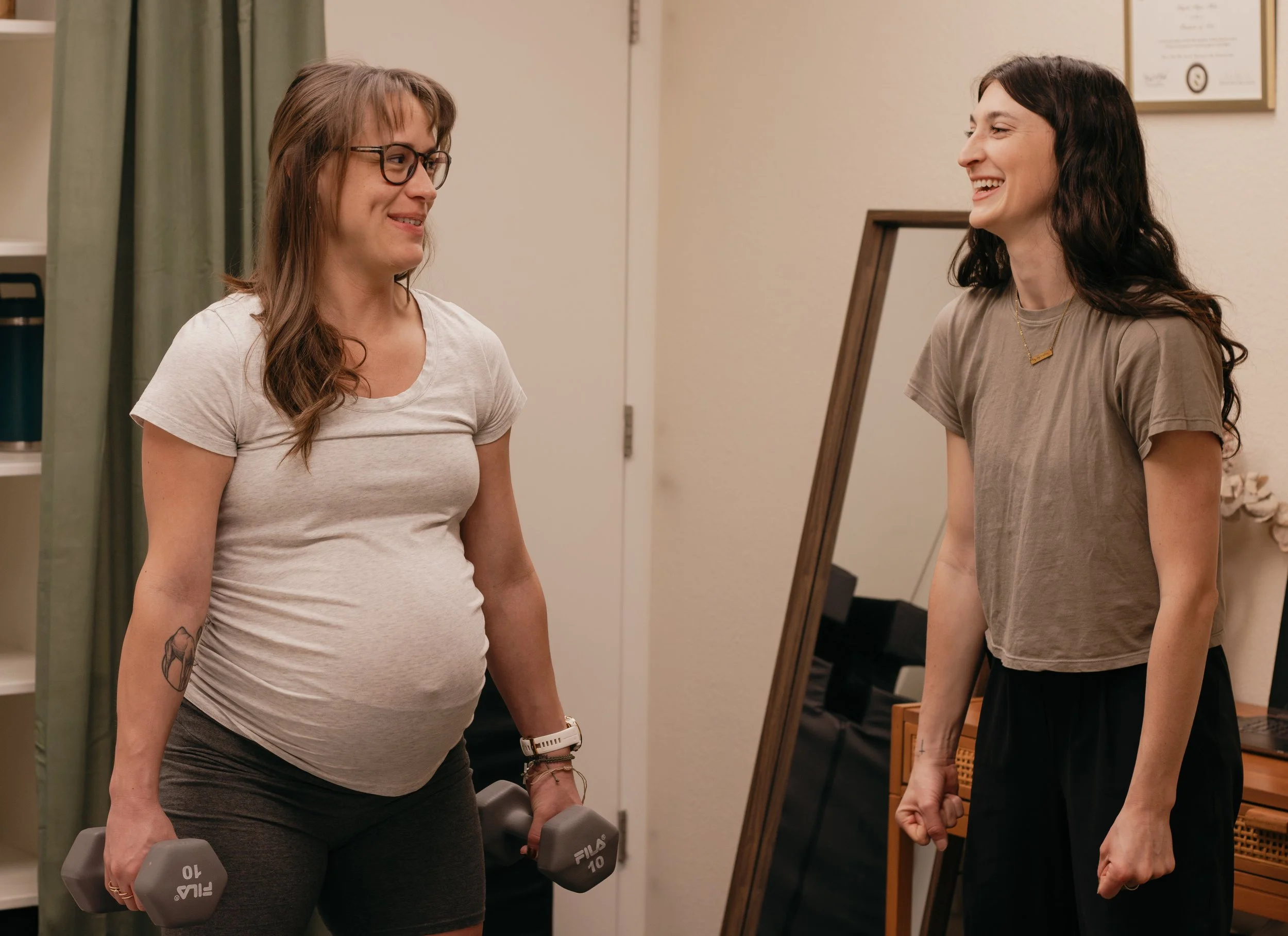
Preventative pelvic floor therapy during pregnancy can help:
Reduce back, hip, and pelvic pain
Support healthy movement and exercise
Improve breathing and core coordination
Prepare the pelvic floor for birth
Decrease the likelihood of postpartum symptoms
Rather than waiting until after delivery, addressing these changes early can make pregnancy more comfortable and postpartum recovery smoother and more supported.
Preventative Care in the Postpartum Period
Postpartum recovery doesn’t end at six weeks. Even without obvious symptoms, the body has gone through significant physical change.
Preventative pelvic floor therapy postpartum can:
Restore core and pelvic floor coordination
Support a safe return to exercise
Address scar tissue and mobility changes
Reduce the risk of future pain or dysfunction
Build confidence in movement and daily life
Preventative care helps bridge the gap between being “cleared” medically and actually feeling strong, comfortable, and capable in your body again.
What Preventative Pelvic Floor Therapy Looks Like
Preventative care is not one-size-fits-all. It may include:
Education
Body awareness
Movement guidance
Building strength and relaxation
Supporting long-term function
We practice individualized, patient led and whole body treatment. Not just symptoms.
Pelvic Floor Therapy for Long-Term Health
Whether you are trying to conceive, pregnant, or postpartum, pelvic floor therapy is preventative care.
At Women’s Pelvic Health & Wellness, we don’t just care about whether you have symptoms right now. We care about your long-term health.
Yes, we want you to be able to run, pick up your kids, and jump on the trampoline without leaking. But we also want you to be able to lift your grandkids someday.
We want you to thrive and move well now… and still feel strong and confident in your body in your 80s and beyond.